Rebrand or Refresh? How to Tell Which One You Need
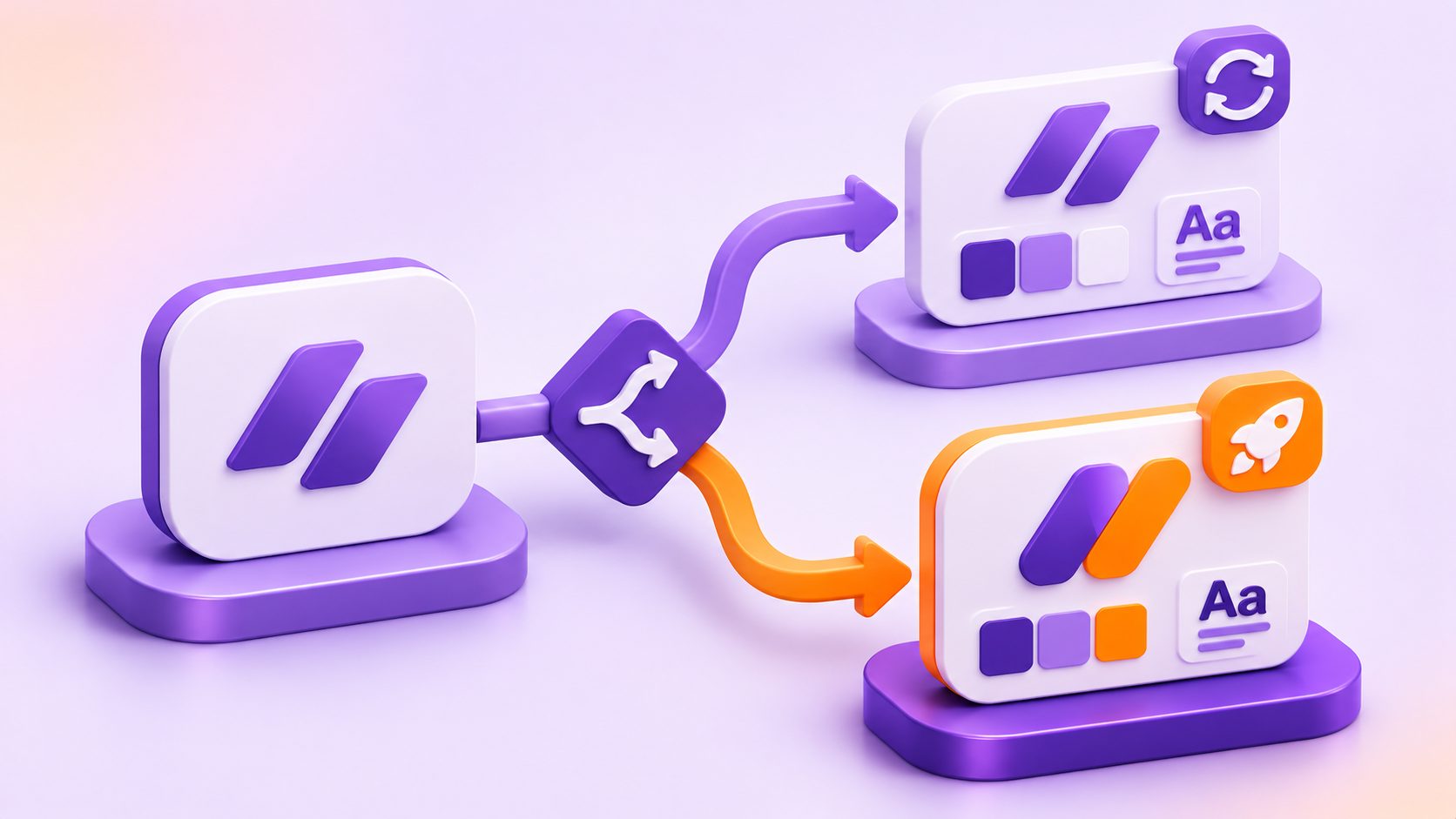
At some point most businesses hit the same moment. The brand starts to feel off. It looks dated next to competitors, or it no longer quite fits what the company has become, and someone in a meeting says the word: "We need to rebrand."
Maybe you do. But very often a full rebrand is not what you need at all, and getting this call wrong is expensive. Rebrand when a refresh would have done, and you spend months and a large budget rebuilding something that was mostly fine, while risking the recognition you spent years earning. Refresh when you actually needed a rebrand, and you repaint a car that has engine trouble.
So the real skill is diagnosis. This guide gives you a clear way to tell the difference between a rebrand and a refresh, the honest signs that point to each, what they cost and risk, and a simple framework to make the decision with confidence. The rebrand vs refresh question is not about taste, it is about matching the fix to the actual problem.
The Quick Answer
If you only read one section, read this one.
A brand refresh updates the look and feel of your existing brand, the logo, colors, typography, and messaging, while keeping your core strategy and positioning intact. It modernises what you already have.
A rebrand is a deeper transformation of your identity, messaging, and strategic position, often including a new name. It rebuilds what the brand is, not just how it looks.
Here is the test that cuts through almost every case. Is your strategy still right, and only the expression has aged? Then you need a refresh. Has the business itself fundamentally changed, your audience, your model, your direction? Then you need a rebrand. A refresh evolves the brand. A rebrand reinvents it. Everything else in this article is really just detail on how to tell which situation you are in.
What Is a Brand Refresh?
A brand refresh modernises your existing identity without throwing it away. The foundation stays the same, and you update the surface so the brand feels current and sharp again.
In practice, a refresh usually includes some mix of these:
- Tweaks to the logo rather than a full redesign
- An updated or expanded color palette
- Refined typography
- Sharpened messaging and tone
- Updated brand guidelines to keep everything consistent
What does not change is the strategy and positioning. You are not rethinking who you are or who you serve. You are making a brand that already works look and sound as good as it should.
The appeal of a refresh is that it is lower risk, faster, and more affordable, and it protects the brand equity you have built. Your customers still recognise you, because the core identity carries through. Think of it as evolution rather than reinvention. The brand grows up and keeps pace with the times, but it is still unmistakably you. For most healthy businesses, a refresh every several years is a normal part of staying relevant, and it is handled as part of ongoing branding and brand identity design rather than a dramatic overhaul.
What Is a Rebrand?
A rebrand is a far deeper change. It is a complete transformation of the brand, and it usually reaches all the way down to strategy.
A full rebrand can include:
- A new name, or a significant change to it
- An entirely new visual identity
- Reworked messaging and tone of voice
- A new strategic position in the market
- A rollout across every touchpoint that carries the old brand
The defining feature is that the strategy changes, not just the visuals. You rebrand when the business itself has shifted, after a merger or acquisition, a pivot to a new model, a move to a new audience, or when you need to reset a reputation that no longer serves you.
This is a bigger, bolder move, and it carries more weight in every sense. It costs more, takes longer, and carries real risk, because you are deliberately changing how the market recognises you. Done for the right reasons, a rebrand realigns the brand with what the company has actually become, and that alignment is powerful. Done to avoid fixing a deeper problem, it is an expensive mistake. The key is that a rebrand should answer a genuine change in the business, not just a feeling that the logo is tired.
The Key Differences at a Glance
Here is how the two compare across the factors that matter.
| Factor | Brand Refresh | Rebrand |
|---|---|---|
| Scope of change | Surface and expression | Identity, strategy, positioning |
| What changes | Visuals and messaging | Visuals, messaging, strategy, often the name |
| Brand equity | Preserved and built on | Reset, at least partly |
| Risk level | Lower | Higher |
| Timeline | Around 2 to 3 months | 6 months or more |
| Cost | More affordable | Higher |
| Best when | The strategy still works | The business has changed |
The single cleanest way to hold the difference in your head is this: a refresh changes how the brand looks, a rebrand changes what the brand is. One keeps your foundation and modernises the building on top of it. The other rebuilds the foundation itself. Almost every practical difference, cost, time, risk, flows from that one distinction, so if you get clear on whether your foundation needs to change, the rest of the decision follows.
Signs You Need a Refresh (not a Rebrand)
Most of the time, the honest answer is a refresh. Here are the signs that point to one.
Your visuals look dated next to competitors. If the problem is that your brand simply looks older and less polished than the businesses around you, that is a surface issue a refresh solves.
Your brand is applied inconsistently. When different channels, materials, and team members use the brand differently, you do not need a new brand, you need a tightened, well-documented version of the one you have.
You've grown or entered new markets and the brand feels thin. Growth often exposes gaps, like a logo that does not scale or a palette that is too limited. That is a reason to extend the system, not replace it.
Your website and touchpoints underperform visually. If the brand is sound but the places people meet it feel tired, a refresh plus strong UI/UX and website design brings it back to life.
Your messaging needs sharpening, but your positioning is right. When what you stand for is correct and only the way you say it has gone stale, that is a messaging refresh, not a strategic rebrand.
Your audience has shifted slightly, not completely. A small evolution in who you serve calls for an evolution in the brand, not a reinvention.
The thread running through all of these is the same. The strategy still works. Only the expression has aged, and that is exactly what a refresh is for.
Signs You Need a Full Rebrand
Sometimes a refresh genuinely will not cut it. These are the signs that you need to go deeper.
Your business model or audience has fundamentally changed. If you now do something meaningfully different, or serve a different market, the brand has to reflect the new reality, not the old one.
A merger or acquisition needs one unified identity. Bringing two companies together usually calls for a single, coherent brand rather than a patched-together compromise.
Your brand carries negative or outdated perceptions. If the market's view of you is wrong or damaging and a cosmetic update cannot shift it, a rebrand can reset the story.
The brand no longer reflects your vision or what you do. When there is a real gap between who you are now and what the brand says, that gap is strategic, and only a rebrand closes it.
You've outgrown your name. If your name now limits you, describing a product or market you have moved beyond, that is a classic rebrand trigger. Dunkin' dropping "Donuts" is the textbook example.
You're constantly confused with competitors. If your brand fails to distinguish you in the market, the problem is positioning, which a refresh cannot fix.
The common thread here is the opposite of the refresh list. The problem is strategic, not cosmetic, so a fresh coat of paint would only hide it. When the business has genuinely changed, the brand has to change with it.
The Cost and Risk Trade-off
The practical differences between the two are worth being honest about, because they shape the decision.
A refresh is the lighter commitment. It typically takes around two to three months, costs less, and carries lower risk, precisely because it preserves your existing equity. Customers still recognise you throughout.
A rebrand is the heavier one. It often takes six months or more, costs significantly more, and carries real risk. Change too much too fast and you can lose the recognition you spent years building. That risk is manageable with the right approach, but it is real, and it is the reason a rebrand should never be undertaken lightly. For a fuller view of what each path costs, our guide on how much branding costs breaks the figures down by scope.
Here is the honest warning that matters most. Do not rebrand to avoid fixing a strategy problem you have not properly diagnosed, and do not refresh when the real issue is strategic. A cosmetic fix on a broken strategy is the most common way businesses waste a branding budget, because it spends real money without touching the actual problem. Diagnose first, then spend.
Lessons from Real Brands
The clearest way to understand the difference is to see how well-known brands handled it.
On the refresh side, Walmart modernised its look with brighter colors and a refined typeface while staying unmistakably Walmart. Mastercard went further and removed its own name from the logo, keeping only the two interlocking circles, a confident refresh that trusted its existing recognition. In both cases the brand evolved without losing its identity.
On the rebrand side, Dunkin' dropped "Donuts" from its name to reflect that it had become a broader beverage and food business, a change driven by what the company actually was. Facebook's shift to Meta was a true rebrand, a new name signalling a new strategic direction well beyond social media.
And some sit in between. Burger King's retro-inspired makeover was bold enough to feel like a rebrand while really being a deep refresh that reconnected with the brand's own heritage.
The lesson across all of them is consistent. The best brand changes match the depth of the actual problem, and even the boldest rebrands tend to keep a thread of equity rather than discarding everything.
How to Decide (the Framework)
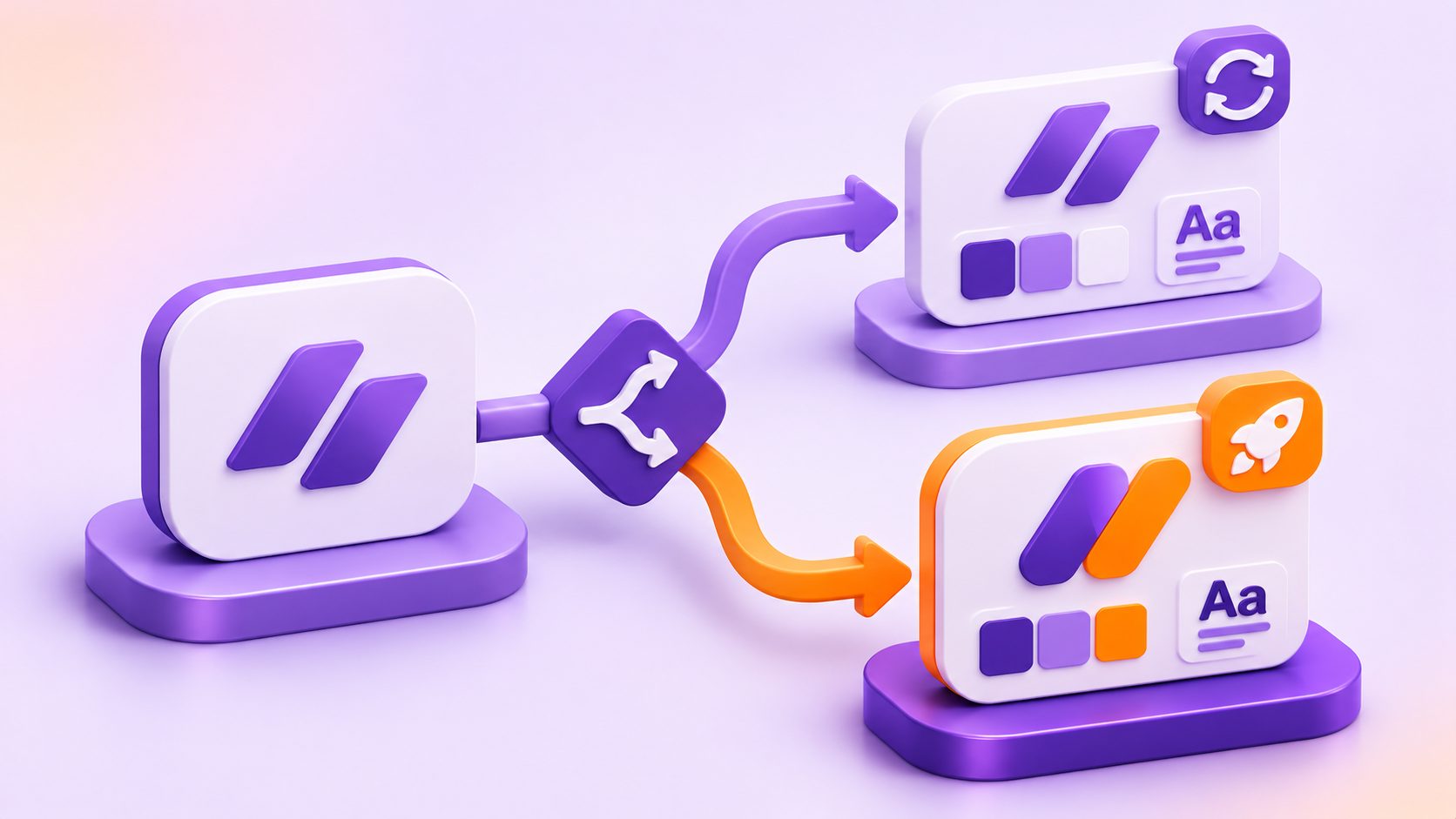 Pulling it all together, here is a simple framework. Work through these questions honestly.
- Has your strategy or positioning actually changed, or has it just aged? Changed points to a rebrand. Aged points to a refresh.
- Is your brand equity worth preserving? If people already know and trust you, lean toward protecting that with a refresh unless there is a strong reason not to.
- Is the problem how you look, or what you are? Cosmetic problems are refreshes. Identity problems are rebrands.
- What are your risk tolerance, timeline, and budget? Be realistic about what you can take on, while remembering the decision should be led by the problem, not the budget.
- Would a refresh genuinely solve it, or only delay the real fix? If a refresh just postpones a strategic reckoning, you need the rebrand.
The guiding principle is simple: match the solution to the depth of the problem. And a reassuring truth to end on, most businesses need a refresh more often than they need a rebrand. If you want an honest, outside read on which one fits your situation, get an honest assessment of your brand and we will tell you straight, even if the answer is "you need less than you think."
Conclusion
Rebrand and refresh are not interchangeable words for the same thing. They solve different problems. A refresh modernises a brand whose strategy still works, keeping your hard-won recognition intact. A rebrand rebuilds a brand that no longer fits the business, accepting more cost and risk in exchange for realignment.
The whole decision comes down to honest diagnosis. Look at whether your problem is how the brand looks or what it fundamentally is, match the fix to that, and protect your equity along the way. Get that right and you spend exactly what the situation needs, no more and no less.
If you are weighing the choice for your own business, get an honest assessment of your brand and we will help you decide which path actually serves you.
Frequently Asked Questions
Related Blog

How Much Does Branding Cost? An Honest Breakdown by Scope
Ask what branding costs and the answers run from $300 to $300,000. That is not an exaggeration, it is genuinely the spread you will…
0 Comments
Please log in to post a comment